

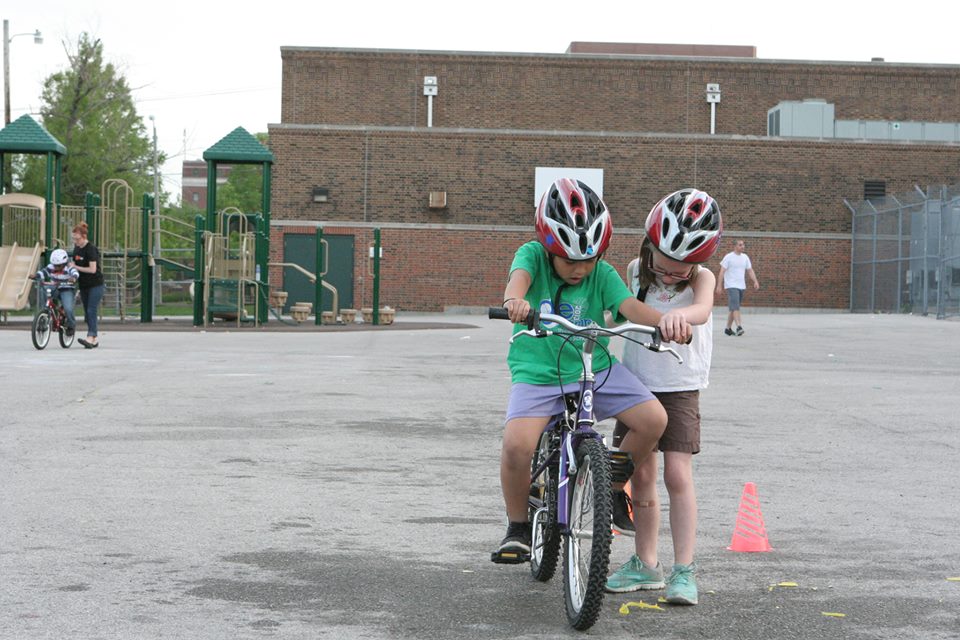

Over the past few weeks, students at several local schools have been assessed not only on their academic skills, but also on a basic childhood milestone: the ability to ride a bicycle.
For some students, the reasons they haven’t learned are straightforward. They may be new to the United States, have parents who don’t ride, have never owned a bicycle, or lack access to a safe place to practice. Whatever the circumstances, the decline in youth cycling is a trend that can’t be ignored.
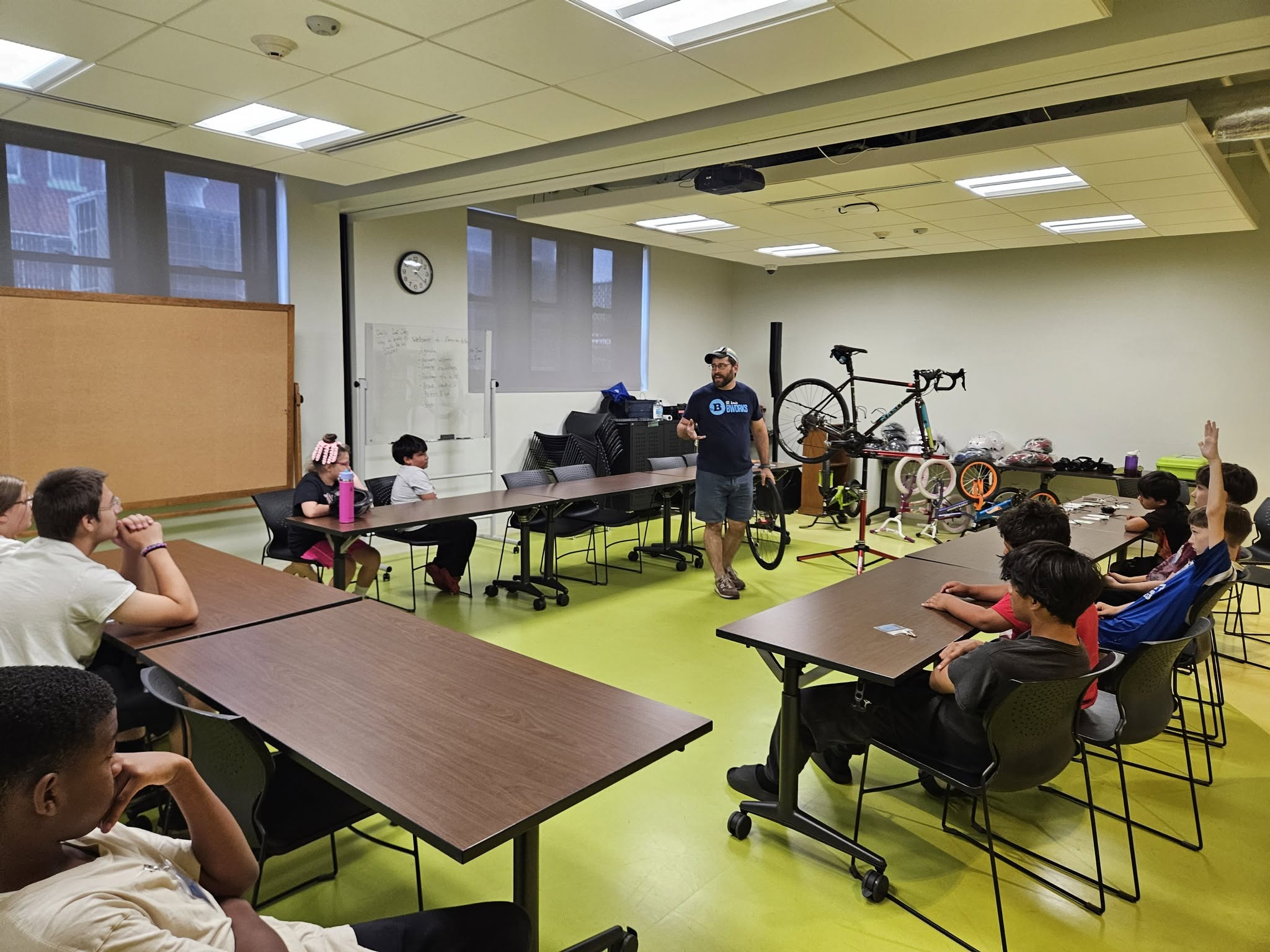
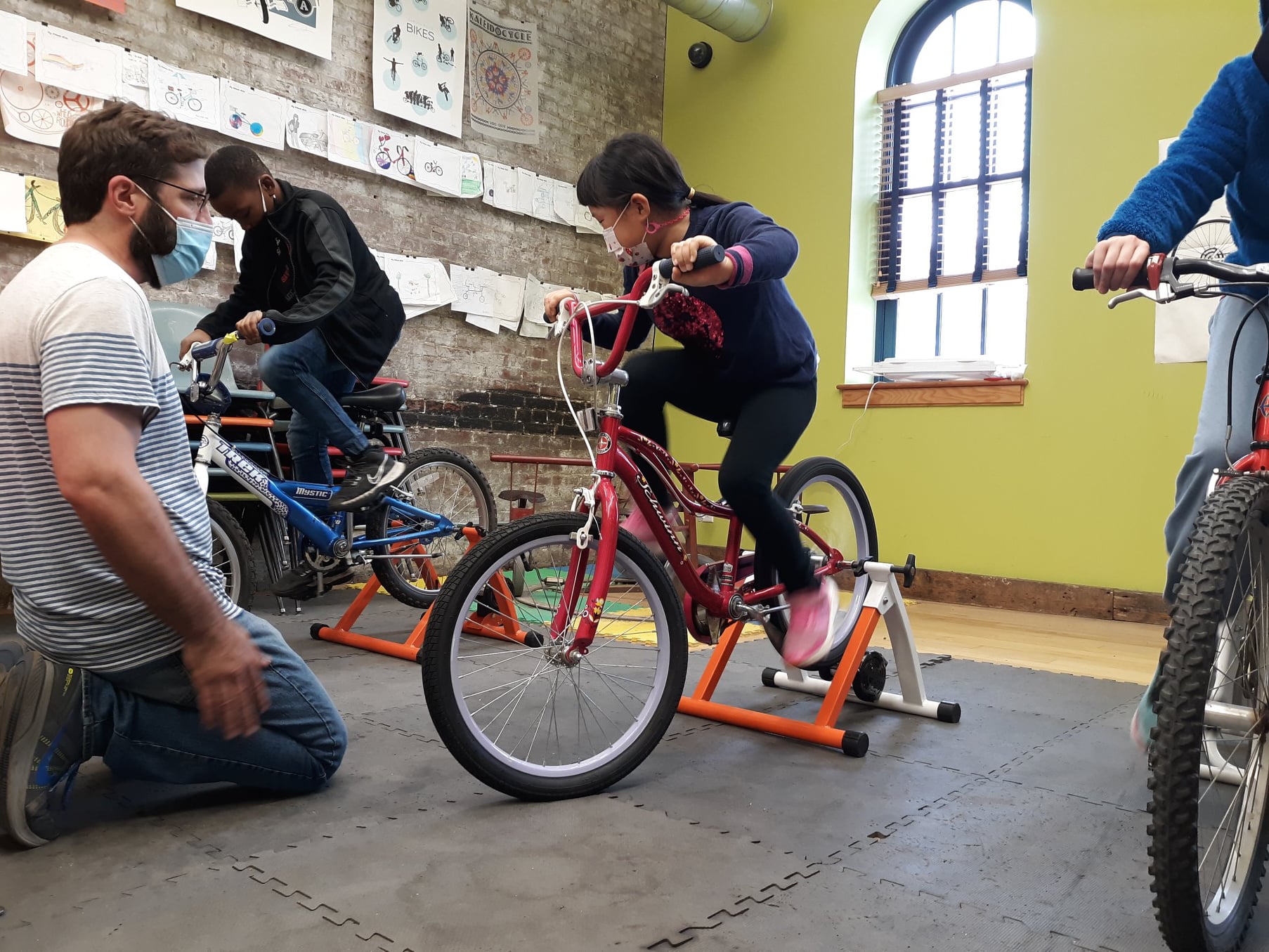
St. Louis BWorks has used bicycles as a vehicle for learning, independence, and opportunity. Over the past 15 years, we’ve steadily expanded our programs beyond our headquarters to parks, community centers, summer camps, and, increasingly, local schools. Today, we’re bringing that work directly into the school day, offering Learn-To-Ride instruction at several of our Earn-A-Bike school partner locations.
Before launching this semester’s school based classes, we needed to understand where students were starting. Could they balance, pedal, steer, and stop? Did they have the foundational skills necessary to participate safely and confidently in our Earn-A-Bike program?
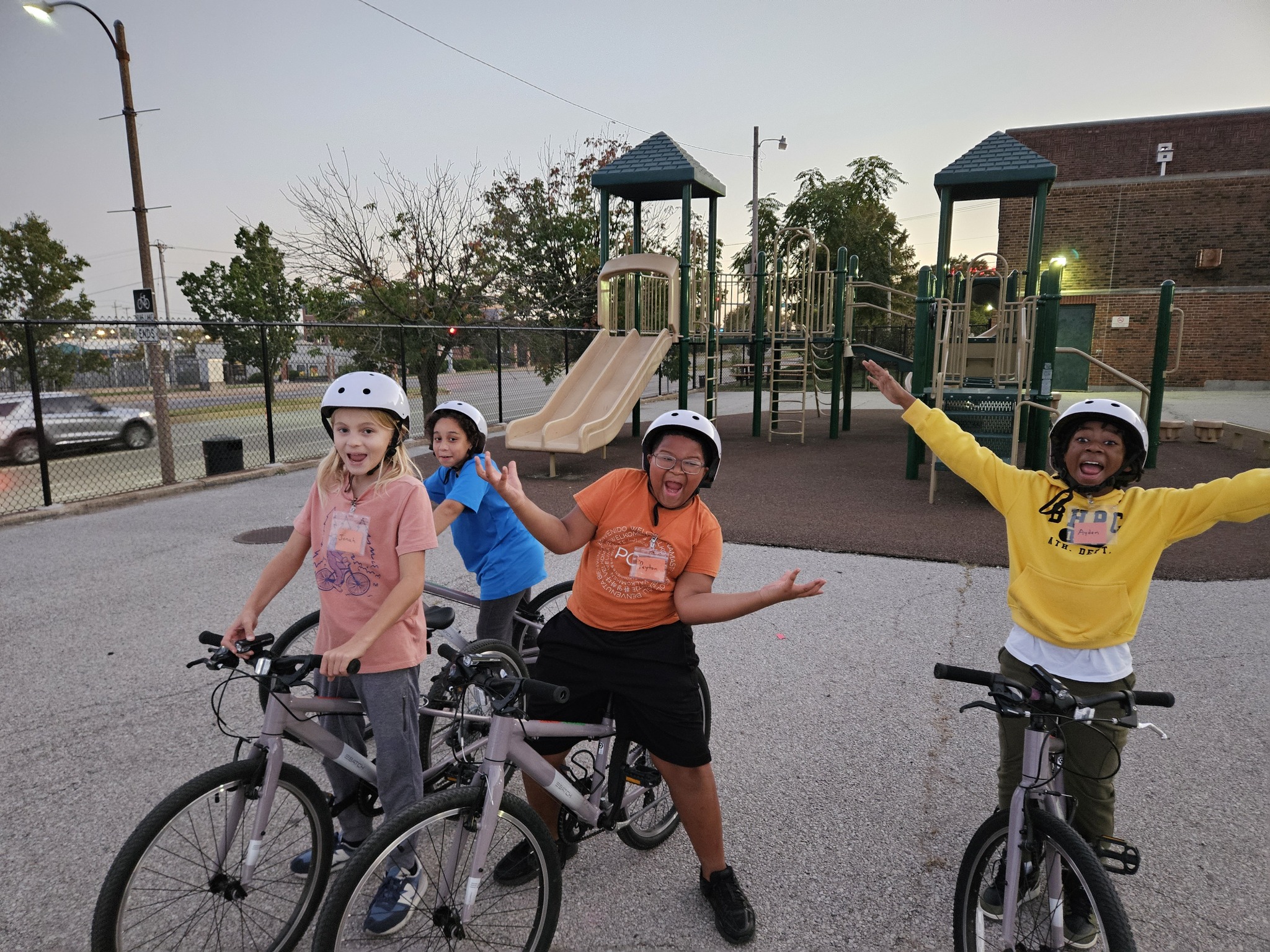
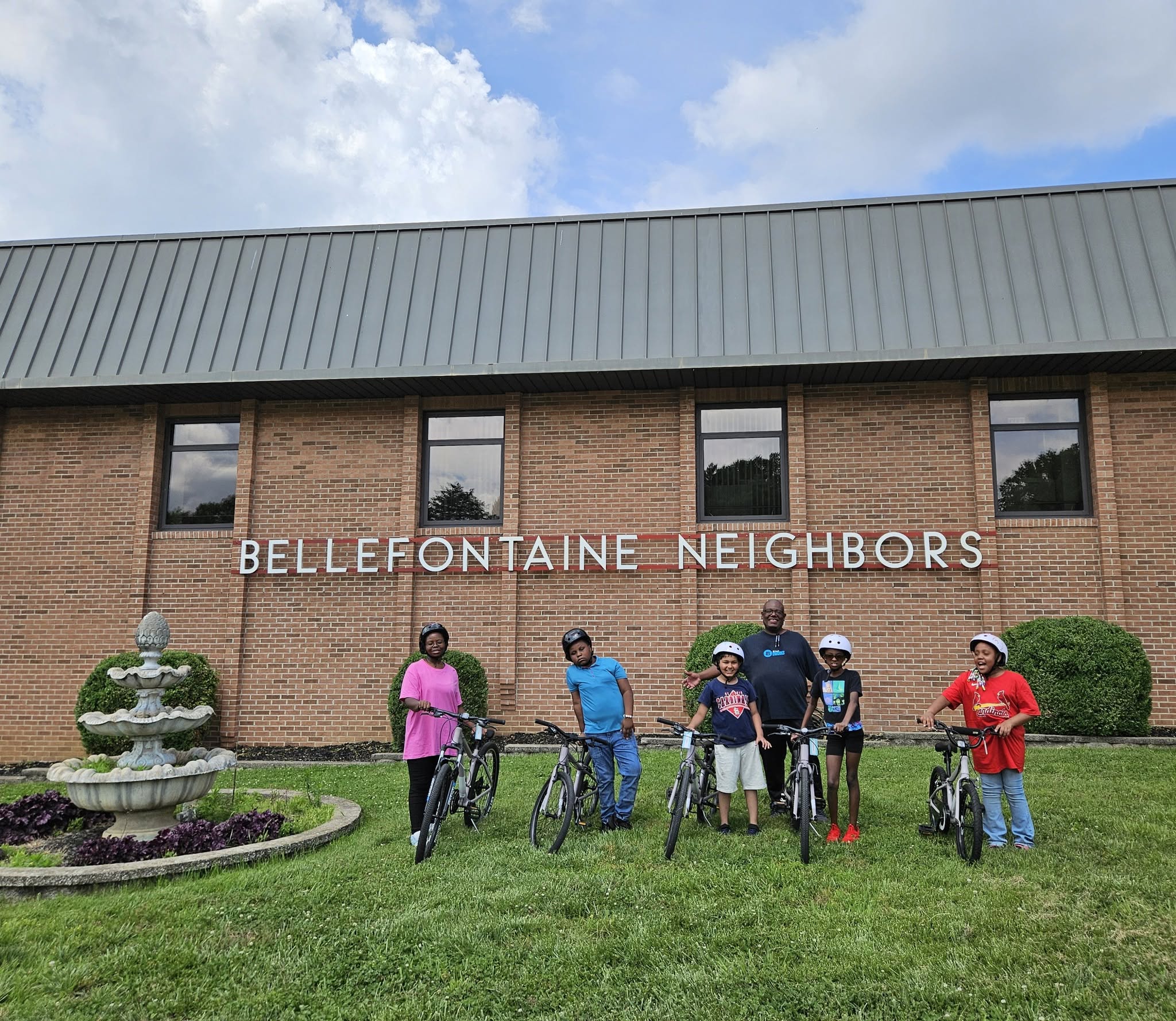
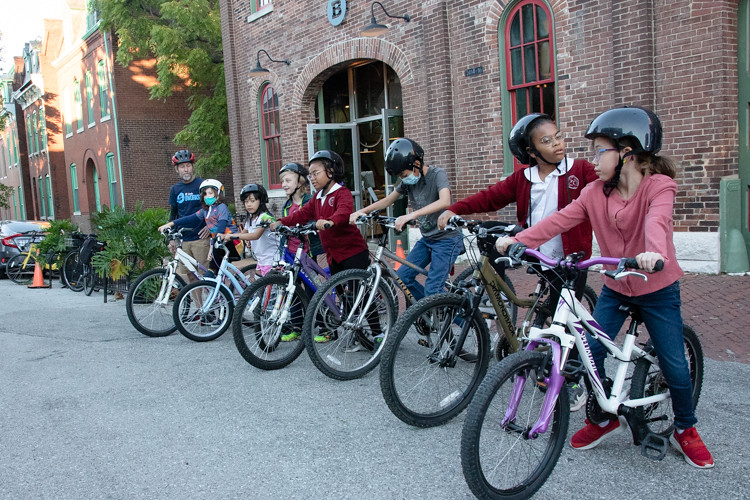
So, we loaded up bicycles and helmets and headed to local elementary schools for a series of joyful, low-pressure ride-day assessments. What began at four schools is part of a larger effort we intend to expand to nine schools annually over each of the next three school years.
The scenes were encouraging. Students cheered for their classmates, teachers offered encouragement, and children gave riding a try in a supportive environment. Meanwhile, our BWorks staff and volunteers quietly documented which students would benefit from additional instruction before entering Earn-A-Bike.
But the results so far are eye-opening.
Between 35% and 50% of fourth graders assessed at participating St. Louis schools cannot yet ride a bicycle. That’s a significant number of children reaching age nine or ten without a skill many of their peers learned years earlier. Our initial findings also suggest disparities by gender and race, with girls and students of color more likely to need additional instruction. We’re also finding that parents sometimes overestimate their children’s riding abilities, underscoring the importance of assessing skills rather than making assumptions.
These numbers represent more than a gap in bicycle skills. They point to a broader decline in opportunities for children to experience cycling and the outdoors.
Why does that matter?
For many children, learning to ride a bicycle is their first real taste of independence. Riding to a friend’s house, traveling to school, or visiting a neighborhood store can be a major milestone. A bicycle expands a child’s world, offering new ways to explore, connect with others, and participate in their community.
Learning to ride also provides an early introduction to traffic awareness, road rules, and personal responsibility. For some children, it can mean overcoming cultural or family barriers, too. Some girls, for example, may not have been encouraged or given the opportunity to ride. Making bicycle education accessible helps ensure that a child’s circumstances don’t determine whether they get to experience the freedom of riding.
There are broader benefits as well. Regular physical activity supports children’s health and development, while access to active transportation can help establish habits that last a lifetime. When we create opportunities for children to ride, we’re investing in more than cycling. We’re investing in healthier kids, greater independence, and stronger communities.
Why focus on fourth grade?
Nationally, children typically learn to pedal a two-wheeled bicycle between the ages of three and seven. By fourth grade, most children are nine or ten—well beyond that typical learning window. Research has also suggested that children who haven’t learned to ride by age seven are substantially less likely to pick up the skill later without intervention.
That makes the numbers we’re seeing especially concerning. Across the four St. Louis elementary schools included in our initial data, just over 100 fourth graders could not yet pedal a bicycle—nearly half of the students assessed.
Without intervention, some of these children will eventually learn on their own. But we don’t believe that access to a fundamental childhood experience should be left to chance.
Our early results are already demonstrating what’s possible. In our first Learn-To-Ride cohorts of the 2026–27 school year, the vast majority of participating students are developing the skills they need to move confidently into Earn-A-Bike and continue building their abilities alongside their classmates.
And that’s where our approach differs from simply teaching a child to ride.
We could call it a success when a student pedals independently for the first time. But we don’t stop there. We continue working with these students, enrolling them in Earn-A-Bike alongside their peers and giving them the opportunity to build practical skills, confidence, and a lasting connection to cycling.
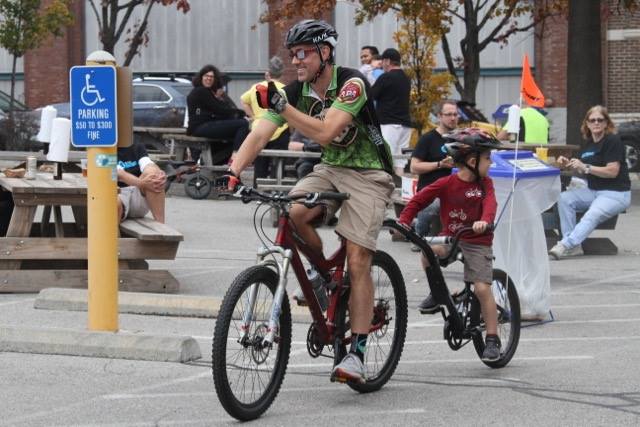
By the end of the school year, participating students have the knowledge and equipment they need to keep riding, including a refurbished bicycle, helmet, lock, and lights. Add in bike-to-school events and more than a dozen alumni group rides each year, and we’re doing more than teaching individual children a new skill. We’re helping rebuild a culture in which riding a bicycle is an ordinary, accessible part of childhood.
We’re also looking further upstream.
This winter, BWorks is working to introduce a Strider balance-bike fleet for our youngest residents, with plans to teach balance and steering to prekindergarten and kindergarten students at local schools and through park-based events. By introducing these skills earlier, we hope to prevent some children from reaching fourth grade without the ability to ride in the first place.
Our long-term goal is simple: work with schools and community partners to make learning to ride an expected part of growing up, rather than a missed opportunity that must be addressed years later.
The decline in youth cycling didn’t happen overnight, and reversing it will take more than a single program. It will require schools, families, community organizations, and local leaders to recognize the problem and work together on solutions.
Fortunately, we already have a model that works. We know how to teach children to ride. We know how to equip them to do so safely. And we know that when we bring these opportunities directly to young people, we can reach children who might otherwise never have the chance.
How can you help?
- Volunteer: Help us teach bicycle skills, build confidence, and introduce more young people to the joy of riding.
- Donate: Help BWorks raise the local 20% matching funds required for our federal grant, allowing us to expand this work to more schools and reach more children.
- Donate a bicycle: Your unwanted bicycle could become the one that gives a child their first taste of independence.
We don’t have to accept a generational decline in cycling as inevitable. The barriers are real, but the solutions are within reach. With the right resources, partnerships, and commitment, we can help more children get on two wheels—and give them the opportunity to keep going.
Patrick Van Der Tuin, Executive Director of St. Louis BWorks